Sicily has always been famous for its food, but the wine scene here is something completely different. The island sits on top of volcanic soil that gives the grapes flavors you cannot find in Tuscany or Piedmont. Family-run estates are making wines from indigenous grapes that have been growing on these slopes for thousands of years. If you are planning a trip to Sicily and love wine, visiting these Sicily wineries should be at the top of your list. The tastings are personal, the views are stunning, and the wines tell stories that go back generations.

A Guide to the Best Sicily Wineries
Things to know about Sicilian wine:
- Volcanic soil on Mount Etna creates mineral-rich wines with flavors and acidity that are impossible to replicate in other wine regions, making Etna one of the most distinctive terroirs in the world for producing elegant reds from Nerello Mascalese and age-worthy whites from Carricante.
- Indigenous Sicilian grape varieties like Nero d’Avola, Nerello Mascalese, and Frappato have adapted to the island’s climate over thousands of years and express Sicily’s unique character far better than international varieties, with over 70 native grapes that exist nowhere else on earth.
- High elevation vineyards experience cooler temperatures that allow grapes to develop complexity while maintaining natural acidity, which is essential in Sicily’s hot climate for producing balanced wines rather than heavy, alcoholic bottles.
- Old ungrafted vines on Etna survived phylloxera and now produce some of Sicily’s most valuable wines with concentrated flavors and genetic diversity that cannot be replicated by planting new vineyards, making these ancient parcels extremely precious to quality-focused producers.
- The new generation of Sicilian winemakers focuses on minimal intervention and indigenous grapes rather than imitating international styles, which has repositioned Sicily from a source of bulk wines to one of Europe’s most exciting wine regions for collectors and sommeliers.
The Best Sicily Wineries to Visit
Tenute Orestiadi
Tenuta Orestiadi was born in 2008 in Gibellina in Western Sicily, where Mediterranean scents and colors intertwine with myth and art. Now Tenuta Orestiadi has cellars in two different territories, Gibellina where it originated and in eastern Sicily in Piedimonte Etneo, where La Gelsomina is located.
Gibellina is located in the territory on the Belice Valley which is made up of 3 different types of land which allows for the cultivation of vines at various altitudes and with different exposures. Red earth, black earth and white earth are ideal for growing different varieties of red and white grapes.
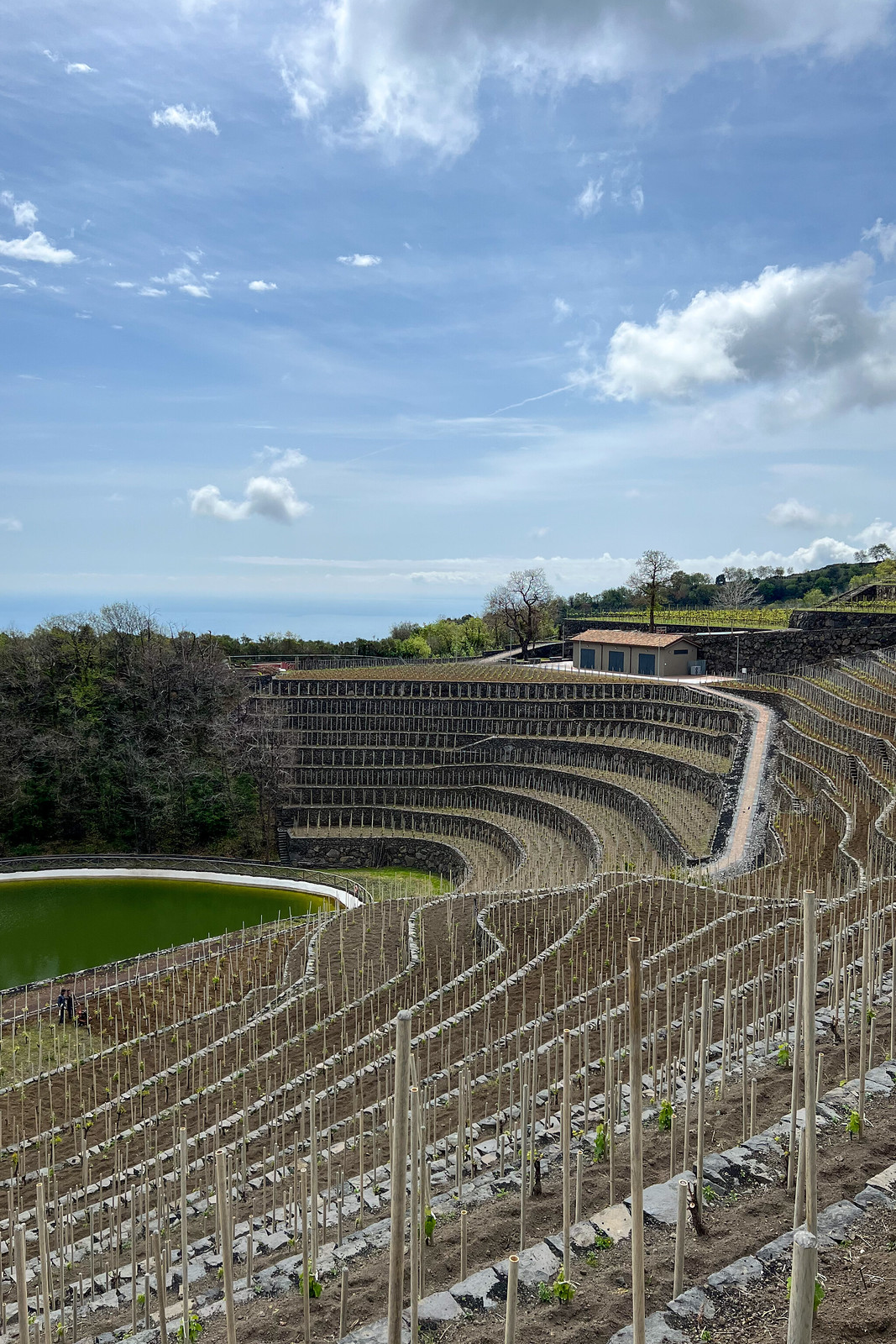
Located on the northeastern slope of Mount Etna, La Gelsomina is built on a soil of lava and clay and the land that is home to the vineyards, olive groves and orchards actually takes the shape of a theater. The numerous eruptions that have occurred over the centuries have made it a place with unique mineral characteristics that allow for Nerello Cappuccio, Carricante and Moscato dell’Etna to grow.

Torre Mora
Torre Mora is a small organic and sustainable estate located between 600 and 750 meters above sea level on the northern slopes of Etna. The Piccini family had deep roots and 140 years of winemaking experience in Tuscany and in 2026 Mario Piccini purchased the Torre Mora farm in Rovittello turning it into the certified organic winery it is today.
Torre Mora focuses on grapes indigenous grape variteties like Nerello Mascalese, Merella Cappuccio, Carricante and Cataratto that thrive in the volcanic fertile soil of Etna.


Neri Etna
Located in the Etna Regional Park just outside the small town of Linguaglossa, Neri Etna is truly a one of a kind winery. After returning to Sicily from the USA over a century ago, the Neri family has cultivated both vineyards and olive groves at an altitude of 600 meters above sea level on a complex terrain. The family has chosen to practice organic farming and maintains manual harvesting of both grapes and olives. Neri produces an extra virgin olive oil and two Sicilian wines, Etna Rosso Doc and Etna Bianco Doc.
What makes Neri Etna unique is that the property is not only a winery, but it is also home to Hotel Villa Neri Resort, a boutique luxury hotel, Petra Spa wellness center, 12 Fontane fine dining restaurant and Casa Arrigo farmhouse, a truly unique experience with 6 independent rooms, a wine tasting area, outdoors area, garden and pool overlooking the vineyards and Mount Etna itself.


Private Tour of Three Best Etna Wineries
When I visited Sicily in 2023 I did a day trip with Prestelli Sicily Tours and it was one the most memorable experiences I’ve ever had while traveling. Our private English speaking driver/guide picked us up from our hotel in Taormina and took us to visit 3 family-owned Sicily wineries. We had a private tasting at each plus tours of the grounds and cellars all while learning the process of Etna wine production.
I visited the three Etna wineries listed above – La Gelsomina, Torre Mora and Neri Etna. Each of the wineries were located at a different elevation, which in turn made the minerals in the soil different and the wines taste different. We sampled SO many delicious wines and snacked on cheese, meats, olives, olive oil, bread, pasta all day. It was truly one of the most amazing experiences and I can’t recommend it enough for your next visit to Sicily!

Tenuta delle Terre Nere
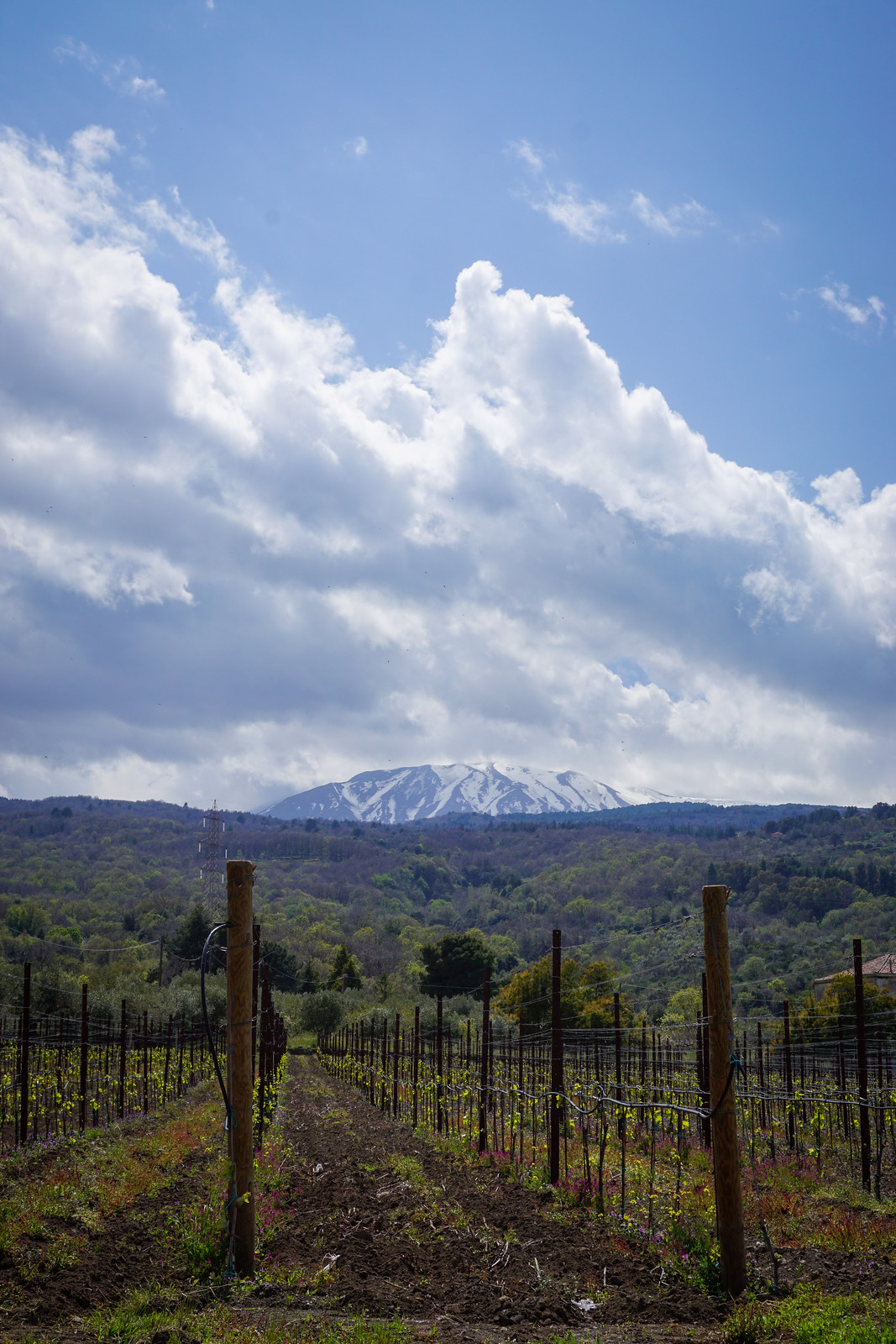
Tenuta delle Terre Nere sits on the northern slopes of Mt Etna and specializes in Nerello Mascalese, the red grape that defines this volcanic region. Marc de Grazia founded this estate in 2002 after falling in love with the ancient vineyards scattered across Etna’s lava fields. The winery farms multiple small parcels at different elevations, each producing wines with distinct personalities shaped by their specific microclimates.
The tasting room overlooks terraced vineyards that date back over a century. You can sample wines that show off the mineral backbone and bright acidity that make Etna reds so food-friendly. The Guardiola vineyard sits at 1,000 meters elevation and produces one of their most elegant single-vineyard bottlings.
Tours here focus on the relationship between volcanic soil and wine character. You will walk through the vineyards and see how the black lava rocks retain heat during the day and release it at night, helping the grapes ripen slowly while maintaining freshness. The hospitality is warm but unpretentious, with staff who genuinely love talking about the unique challenges of farming on an active volcano.
What Makes Etna Wine Taste Different
The volcanic soil contains high levels of minerals and trace elements that vines absorb and translate into flavor compounds you can actually taste in the glass. Volcanic wine from Etna often have a distinct smoky or flinty quality, combined with bright red fruit and an almost electric acidity that sets them apart from wines made in limestone or clay soils. The porous lava rock also drains water extremely well, forcing vines to dig deep for moisture and nutrients, which concentrates flavors in the grapes and creates wines with incredible aging potential.

Donnafugata
Donnafugata operates estates across Sicily but their Contessa Entellina property in the western side of Sicily showcases what the island can do beyond Etna. The Rallo family has been making wine here since 1851, and they have become masters at working with indigenous varieties like Grillo and Ansonica. Their cellars blend modern technology with respect for traditional methods.
The estate produces everything from crisp whites to powerful reds, but their sweet wines from the island of Pantelleria are what really stand out. The tasting experiences range from casual walk-ins to structured tours that include food pairings featuring local cheeses and cured meats. The grounds are beautiful, with contemporary architecture that contrasts nicely with the rural landscape.
Donnafugata has been a pioneer in promoting Sicilian wine on the international stage. They were one of the first wineries to put serious effort into exporting and building a brand identity around Sicily’s unique grape varieties. Their commitment to quality helped change perceptions about what Sicilian wine could be.
Why Indigenous Grapes Matter
Sicily grows over 70 indigenous grape varieties that exist nowhere else on earth, many of which nearly went extinct when international varieties became fashionable in the 1980s. Sicily wineries like Donnafugata kept these old vines alive during difficult economic times, and now those same grapes are what make Sicilian wine exciting to sommeliers and collectors worldwide. Varieties like Nero d’Avola, Nerello Mascalese, Frappato, and Grillo have adapted to Sicily’s climate over thousands of years, making them perfectly suited to express the island’s terroir in ways that Cabernet or Chardonnay never could.
Planeta
Planeta is one of Sicily’s largest and most ambitious wine producers, with estates in five different regions across the island. Each property focuses on the varieties that perform best in that specific location. The family started making wine commercially in 1995, though they had been farming in Sicily for 17 generations before that.
Their Ulmo estate near Sambuca di Sicilia is where they make their flagship Nero d’Avola. The vineyards here benefit from significant day-night temperature swings that help the grapes develop complexity. Their winery near Etna focuses on Carricante and Nerello Mascalese, while their coastal property on the southwestern tip of Sicily grows Grillo for their white wines.
The production scale is much larger than most wineries on this list, but quality remains high across their range. Sicilian wine tastings can be arranged at multiple locations, with the most comprehensive experience available at their Ulmo estate where you can tour the production facilities and taste through their full portfolio of fine wine. The restaurant at Ulmo serves lunch featuring ingredients from their farm.
Understanding Nero d’Avola
Nero d’Avola is Sicily’s most important red grape and produces wines that range from juicy and approachable to structured and age-worthy depending on where it grows and how it is made. The grape thrives in hot climates and develops rich black fruit flavors with hints of chocolate and spice, but it needs careful management to avoid making wines that taste too heavy or alcoholic. The best examples come from sites with good altitude or cooling sea breezes, and many producers are now making lighter, more elegant styles that show off the grape’s natural acidity rather than overwhelming it with oak and extraction.
Benanti
Benanti is one of the oldest wineries on Mount Etna, established in 1988 when most people thought making quality wine on a volcano was impossible. Giuseppe Benanti saw potential in the abandoned vineyards clinging to Etna’s slopes and began the patient work of restoring them. The winery now farms some of the most prized parcels on the mountain.
Their Serra della Contessa vineyard produces one of Etna’s most sought-after white wines from 100-year-old Carricante vines. The wine shows intense minerality and citrus flavors with the kind of tension and precision you find in great white Burgundy. Their reds from Nerello Mascalese show similar elegance, with silky tannins and complex aromatics.
Visits to Benanti feel intimate and focused. The family takes great pride in explaining how they have adapted traditional techniques to modern quality standards. You will taste wines that demonstrate why serious collectors are now paying attention to Mt Etna, with bottles that can age for decades.
The Secret of Old Vines
The ancient vines on Etna survived phylloxera, the root louse that destroyed most of Europe’s vineyards in the late 1800s, because the volcanic soil prevented the pest from spreading effectively. This means some vineyards contain ungrafted vines over 100 years old that grow on their own roots, something extremely rare in European winemaking. Old vines produce smaller quantities of grapes with more concentrated flavors and greater complexity, and the genetic diversity in these ancient vineyards contributes unique characteristics that cannot be replicated by planting new vines.
Firriato
Firriato owns estates across the western part of Sicily and has built a reputation for making wines that balance international appeal with local character. Their flagship property is Cavanera Etnea on Mount Etna, where they focus on high-elevation vineyards that produce wines with elegance and freshness. The Di Gaetano family founded the winery in 1985.
Their approach blends native Sicilian grapes with international varieties, and while some purists criticize this strategy, the results are impressive. Their hospitality offerings are extensive, with options ranging from simple tastings to full-day experiences that include lunch, cooking classes, and vineyard tours. The properties are well-maintained and designed to accommodate visitors.
Firriato has invested heavily in sustainable farming and modern cellar equipment. They were early adopters of organic practices in Sicily and continue to experiment with techniques that reduce environmental impact while improving wine quality. The staff is professional and knowledgeable, making visits here educational as well as enjoyable.
When to Visit Sicily for Wine Tourism
The ideal time to visit Sicily wineries is during harvest season from late August through October when you can see grapes being picked and processed, though this is also the busiest period with limited availability for tours. Spring from April to June offers beautiful weather, green landscapes, and fewer crowds, making it easier to book intimate tastings and get personal attention from winemakers. Summer can be extremely hot, especially inland, but coastal wineries remain pleasant, and many estates offer extended evening hours for tastings with sunset views over the vineyards.


Passopisciaro
Andrea Franchetti established Passopisciaro in 2000 and immediately focused on making wines that expressed the unique characteristics of different contrade, the traditional vineyard districts on Etna’s slopes. Each contrada has distinct soil composition, elevation, and exposure, resulting in wines with noticeably different personalities even when made from the same grapes.
The winery releases single-contrada bottlings that wine geeks love comparing side by side. Franchetti farms old vines in some of Etna’s most respected districts, including Guardiola, Chiappemacine, and Rampante. The wines are powerful but maintain the elegance and mineral character that define great Etna reds.
Visiting Passopisciaro requires advance planning as tours are limited and focused on serious wine lovers. The experience centers on understanding how tiny differences in terroir create huge differences in the finished wines. If you’re a wine enthusiast who enjoys tasting multiple Burgundy climats or Barolo crus, you will love what Franchetti has done here.
What Contrade Mean on Etna
The contrada system on Mount Etna functions similarly to Burgundy’s climat classifications, with each contrada representing a specific geographic zone with unique characteristics that influence grape growing and wine quality. Factors like altitude, slope orientation, sun exposure, and the age of lava flows create distinct microclimates within these zones, and winemakers who bottle wines by contrada believe these differences are significant enough to warrant separate bottlings. Learning the contrade takes time, but understanding them helps you appreciate the incredible diversity of wines coming from a relatively small geographic area on the volcano.


Tasca d’Almerita
Tasca d’Almerita is one of Sicily’s most historic wine families, with roots going back to 1830. Their Regaleali estate in central Sicily sits at high elevation where cool nights help grapes maintain acidity despite hot summer days. The family has been instrumental in reviving interest in indigenous Sicilian varieties while also working with international grapes.
Their Rosso del Conte, a Nero d’Avola-based blend, is one of Sicily’s most iconic wines and has been in production since 1970. The winery also produces excellent whites from Grillo and other local grape varieties. Their Tenuta Capofaro property on the island of Salina specializes in Malvasia, making perfumed whites that pair beautifully with seafood.
Hospitality at Regaleali includes the option to stay overnight in their guest rooms, which allows for a more immersive experience. The estate feels like a working farm, with vineyards, olive groves, and vegetable gardens all integrated. Cooking classes featuring Sicilian cuisine are available, and the family’s commitment to agritourism has helped set standards for wine tourism across the whole island.
How Altitude Affects Wine in Sicily
Elevation is one of the most important factors in Sicilian viticulture because higher vineyards experience cooler temperatures that slow down ripening and allow grapes to develop complexity while retaining natural acidity. For every 100 meters of elevation gain, average temperatures drop by about 0.6 degrees Celsius, which might not sound like much but makes a significant difference in how grapes mature. High-elevation sites also experience greater temperature variation between day and night, which helps develop aromatic compounds and prevents grapes from becoming overripe and flabby, a common problem in hot Mediterranean climates.

COS
COS is a natural wine pioneer in Sicily, founded in 1980 by three friends who wanted to make wine using the most traditional methods possible. The winery is located near Vittoria in southeastern Sicily, an area known for producing Cerasuolo di Vittoria, Sicily’s only DOCG wine. COS ferments in amphorae buried underground, uses no additives, and farms biodynamically.
The wines have a dedicated following among natural wine enthusiasts. The Pithos Rosso, fermented and aged in clay amphorae, tastes unlike anything else in Sicily. The whites are textured and complex, with extended skin contact creating orange wines that pair beautifully with the rich foods of southern Italy.
Visiting COS feels different from most winery experiences. The focus is on philosophy and process rather than luxury amenities. You will see the amphorae cellar and learn about why the owners believe minimal intervention produces more honest wines. The rustic tasting room serves simple but delicious local foods alongside the wines.
Gulfi
Gulfi focuses exclusively on Nero d’Avola, making it the rare winery that has built its entire identity around a single grape variety. Located near Chiaramonte Gulfi in southeastern Sicily, the estate farms multiple vineyard sites and releases single-vineyard bottlings that showcase how Nero d’Avola expresses different terroirs. Vito Catania founded the winery in 1996.
The wines range from the entry-level NeroBaronj to the powerful NerojBufaleffj made from 60-year-old vines. Tasting through the lineup reveals just how much diversity exists within the variety when it is farmed and vinified with care. The wines show dark fruit flavors, spice, and earthy complexity without the excessive weight that gives Nero d’Avola a bad reputation when handled poorly.
The hospitality experience centers on deep diving into what makes Nero d’Avola special. Tours include vineyard visits where you can see the different soil types and vine ages that contribute to each bottling. The staff is passionate about changing perceptions of this often underestimated grape.
Occhipinti
Arianna Occhipinti started her winery in 2004 at age 22 and has since become one of the most influential winemakers in Sicily. Her estate near Vittoria farms biodynamically and produces natural wines that have earned cult status. The SP68 Rosso, named after a local highway, has become one of Sicily’s most recognizable wines.
The style here emphasizes freshness and drinkability over power. Occhipinti makes wines from Frappato and Nero d’Avola that feel light and energetic despite coming from a hot climate. The whites show beautiful texture and complexity from extended skin contact. Everything is done by hand with minimal intervention in the cellar.
Winery tours are intimate and often led by Arianna herself when she is available. The focus is on explaining her farming philosophy and why she believes wine should be made with as little manipulation as possible. The small production means wines sell out quickly, but tasting them at the source is worth the effort of booking in advance.
The New Generation of Sicilian Winemakers
Young producers like Arianna Occhipinti represent a generational shift in Sicilian wine, with a focus on expressing terroir authentically rather than making wines that imitate international styles or chase high scores from critics. This new wave tends to farm organically or biodynamically, uses indigenous grapes almost exclusively, and makes wines with moderate alcohol and no heavy oak influence, creating a style that appeals to sommeliers and wine bars in major cities around the world. Their success has helped reposition Sicilian wine as exciting and relevant rather than rustic and old-fashioned, while also proving that the island’s unique grapes and growing conditions can produce wines that compete with the best bottles from anywhere.
Sicily deserves a spot on your wine travel list, especially if you are tired of the usual Tuscany and Piedmont routes. The volcanic terroir creates flavors you cannot find anywhere else, and the wineries offer experiences that feel personal and authentic rather than corporate. Book your tastings in advance, especially during harvest season, and leave room in your schedule to explore beyond the cellar door. The island’s food, history, and landscapes make every winery visit part of a bigger adventure. Start planning now.
Need help planning your trip to Sicily? Check out my Taormina & Cefalu Travel Guides.

PIN my Best Sicily Wineries to Visit list for LATER:






Leave a Reply